Last week, I told you I was planning not to watch the election returns Tuesday night. I thought it would be hard, that I’d be jumpy like an addict needing a fix, and that every couple hours I would lose my resolve and check how things were going.
It wasn’t like that at all. I felt oddly serene in my news-free bubble, and went to bed with no idea what was happening. In the morning, I puttered for an hour or two to extend the sense of peace. But I knew that eventually I’d have to distort my life to avoid finding out how things were going, so I checked. Surprise! No red wave.
After nearly a week, we still don’t know which party will control the House or who the governor of Arizona will be. But we’ve learned a few things, and I’ll cherry-pick the most obvious in the featured post, which I’m calling “Notes on the midterm elections”. That should be out shortly.
The weekly summary also covers the unfolding disaster at Twitter, the Ukrainians recapturing Kherson, where the Trump investigations might go now that the pre-election pause is over, and a few other things before closing with an introduction to Minnesota’s new snowplows. I’ll aim to get that out before noon EST.
No one pretends that democracy is perfect or all-wise. Indeed, it has been said that democracy is the worst form of government — except all those other forms that have been tried from time to time.
And if you’re wondering what I did with my week off, here’s the talk I gave.
This week everybody has been talking about tomorrow’s elections
Ordinarily, the day before an election I write a guide for people who plan to watch the returns come in, including things like poll closing times in various states, which early-reporting races are likely to be bellwethers for how the night is going, and so on.
I’m not doing that this time, because I’m not planning to watch, so I’m not sure that I want to encourage you to watch. Probably I won’t be able to resist briefly turning the TV on every hour or two, but I don’t think that an all-evening watch party will be good for my health and sanity.
It’s not that I’m sure my candidates will lose, although the polls have been trending that way for the last few weeks. It’s possible that the attack on Paul Pelosi (see next note) was a wake-up call to the electorate, that Obama’s tour of swing states will make a difference, or that the polls have been undercounting young women who previously haven’t voted, but will turn out to protect their reproductive rights. So there’s reason to hope, reason to vote, and reason to do whatever you can to encourage others to vote.
The reason I’m planning to restrain myself from watching the returns is that I have a bad attitude: I’m pissed at the American people. A lot of these races shouldn’t be close. Herschel Walker, for one, should not have gotten anywhere near the Senate, and the idea that he can run (against a minister like Rafael Warnock) as the “Christian” candidate should scandalize anyone who cares about Jesus or the churches founded in his name. And Ron Johnson didn’t just wink and nod as Trump tried to overthrow American democracy, he was an active participant in the plot to count the votes of fake electors. I could go on.
I didn’t used to feel this way. When John McCain in 2008 and Mitt Romney in 2012 ran against Barack Obama, for example, I had no doubt that I wanted Obama to win. But I also saw some virtues in McCain and Romney, and I understood how someone with different values could rate those virtues higher than Obama’s virtues. (During the 2012 primaries, I wrote “The Tragedy of Mitt Romney” about the candidate he could have been.)
This year, I’ve lost that vision and that generosity of spirit. I can’t twist a few knobs in my values and picture myself supporting Doug Mastriano or Kari Lake. How does that go? “Sure, he’s antisemitic, but …” or “I know she’s against democracy, but …”
With exceptions I can count on my fingers, the Republican Party is now a personality cult, and the man they worship is a fascist. I can’t get past that.
So anyway, there are polls. Nate Silver is currently giving Republicans an 83% chance to take the House and a 55% chance to take the Senate.
The key Senate races are Georgia (where Herschel Walker has a 58% chance of defeating Raphael Warnock), Nevada (Paul Laxalt has a 57% chance to defeat Catherine Cortez Masto), and Pennsylvania (John Fetterman has a 54% chance to defeat Mehmet Oz). Whichever party takes two of those three races probably wins the Senate.
and the Pelosi attack
The narrative here is pretty simple: Republican rhetoric has been demonizing Nancy Pelosi for decades, and we’ve known for a while that some of the more unhinged right-wing partisans take that demonic image very seriously. QAnon folks, for example, promote the libel that she (and other top Democrats) drink the blood of children. Some of the seditionists on January 6 were roaming the halls of the Capitol calling “Nancy … Nancy” like villains in a horror movie.
So early in the morning of Friday October 28, the Speaker’s 82-year-old husband woke up to find a man standing over his bed with a hammer, asking where Nancy was. He said he was there to “have a little chat” with Speaker Pelosi, and later told police he intended to kidnap the Speaker and break her kneecaps unless she told him “the truth”, whatever he imagined the truth to be.
Paul Pelosi then had a bizarre conversation with the attacker, during which he managed to call 911. When police arrived, the attacker hit Pelosi in the head with the hammer. We don’t have a lot of details about his injuries, but he needed surgery and didn’t get out of the hospital until Thursday.
It’s important to be clear on what Republicans are and aren’t responsible for here. The attacker looks to be a deranged loner, rather than part of an organized fascist group like the Oath Keepers or Proud Boys, or even the men recently convicted of plotting to kidnap Michigan Governor Gretchen Whitmer. No one is accusing Trump or any of the leaders of his cult with planning or carrying out the attack.
At worst, this seems to be “stochastic terrorism” — promoting the idea that your political enemies deserve violence, while knowing that you have violent followers who are likely to respond. The classic example is King Henry II saying “Will no one rid me of this troublesome priest?“, which resulted in the murder of Thomas Becket. Henry’s hands may have stayed clean, but he knew or should have known what might happen.
Even that judgment may seem a bit harsh, until you look at how Republicans reacted to news of the attack. Their immediate reflex was to make up and promote a false narrative in which the attack had nothing to do with politics, but instead reflected badly on Paul Pelosi himself.
The flood of falsehoods showed how ingrained misinformation has become inside the G.O.P., where the reflexive response of the rank and file — and even a few prominent figures — to anything that might cast a negative light on the right is to deflect with more fictional claims, creating a vicious cycle that muddies facts, shifts blame and minimizes violence.
Donald Trump Jr. quickly tweeted a joke about the attack, and Trump Sr. told an interviewer that there were “weird things going on in that household the last couple of weeks”, as if the Pelosis had done something to invite violence. Kari Lake got uproarious laughter by telling a campaign crowd “Nancy Pelosi, well, she’s got protection when she’s in D.C. Apparently, her house doesn’t have a lot of protection.” Lake did not appear shocked by the response, and did nothing to rein in the hilarity.
What should Republicans say? Well, here’s what Bernie Sanders said in 2017 (which is how far back you have to go to find any comparable liberal political violence) after the shooter of Steve Scalise turned out to have been a volunteer for the Sanders presidential campaign:
I am sickened by this despicable act. Let me be as clear as I can be. Violence of any kind is unacceptable in our society and I condemn this action in the strongest possible terms. Real change can only come about through nonviolent action, and anything else runs against our most deeply held American values. My hopes and prayers are that Representative Scalise, congressional staff and the Capitol Police Officers who were wounded make a quick and full recovery. I also want to thank the Capitol Police for their heroic actions to prevent further harm.
No jokes, no conspiracy theories, no implications that Scalise was asking for it somehow. No excuses about how “passionate” Sanders’ supporters are, or how “angry” the state of the country has made them. Just: This is wrong. Don’t do it.
Given the upswing in right-wing violence since Trump lost the 2020 election, I’d like to hear an even stronger statement:
If any of my supporters think they’re doing me a favor by physically attacking my political rivals, they’re wrong. If you’re involved in any ongoing plots, I want you to stop.
But Trump and the other MAGA Republicans won’t say anything like that, because don’t believe political violence is “unacceptable”. Quite the opposite: They’re counting on it.
So, after months of stop-and-start will-he-or-won’t-he, Elon Musk finally owns Twitter. He immediately fired a lot of people and announced a lot of intentions that may not manifest for some while, if ever. There’s some evidence that trolling and hate speech have already increased in anticipation of lower standards and more lax enforcement.
My personal experience of Twitter hasn’t changed yet, so I’m in a wait-and-see mode. I’m hearing a lot of people talk about closing their account and moving to some rival platform, but there’s not a simple Coke/Pepsi or iPhone/Android replacement.
What we need is a sagacious, media-savvy voice of sanity, and I’ll nominate James Fallows. He makes a few key points in his Substack post “Twitter is Our Future“.
He plans to stay on Twitter for the time being.
He’s not going to pay a monthly fee to maintain his “blue check mark” (which verifies that he is who he says he is), because those check marks benefit the system as a whole, not him as an individual.
Twitter is a “bellwether” for changing media platforms in general. Many online communities are going to be displaced as media sites change, but the process is happening much faster on Twitter.
While individual tweets aren’t reliable sources of information, they are valuable tips about what might be happening.
Musk himself is “like a rich football fan buying an NFL team and imagining that he can name draft-picks and call plays.” Fallows also quotes a line from The Great Gatsby: “They were careless people… they smashed up things and creatures and then retreated back into their money or their vast carelessness… and let other people clean up the mess they had made.”
No single site will replace Twitter, but “there will have to be many, and we’ll blunder and feel our way forward.”
The substitute most Twitter-refugees are choosing is Mastodon, which is not exactly the same thing. I haven’t tried it yet.
In the end, every “rational” case for why Putin won’t use nuclear weapons in Ukraine falls short. He is not afraid of losing support from his current allies, because he misapprehends Russia’s position in the world; he sees Russia as politically, economically, and militarily stronger than it is. Chinese and Indian leaders may express alarm at the use of extreme measures such as nuclear weapons, but to Putin this points to their lack of resolve—their weakness, not the Kremlin’s. And, if need be, he is prepared to make outlandish denials, no matter how implausible. …
The arguments that Putin won’t use nuclear weapons because doing so would endanger Russians, including himself, are blind to the fact that Putin believes he has the right, possibly the moral obligation, to sacrifice hundreds of thousands or millions of people. The argument that a nuclear strike wouldn’t help Putin achieve his strategic goals mistakes Russia’s strategic goals as anything but inflicting terror on Ukrainians. The losses the Russian military is suffering now can only motivate Putin to create more terror, against more people.
you also might be interested in …
The week’s good news was that Jair Bolsonaro narrowly lost his re-election bid in Brazil, and it looks like he’s going to accept that he has to leave office. Brazilian election officials made an interesting choice: They avoided the appearance of election shenanigans by going with electronic voting systems that produce instant results. In the long run, though, they’ve made real voting fraud easier, because the lack of paper ballots makes the system impossible to audit.
“Already?”
Benjamin Netanyahu is poised to reclaim the prime minister’s office following the recent elections. It’s tempting to shrug and say “We’ve been here before”, but actually we haven’t. This time his coalition includes some right-wing parties that used to be beyond the pale in Israeli politics.
Some members of his likely parliamentary majority believe in Jewish supremacy and support racist policies that may ultimately change the way the state of Israel protects the rights of its citizens, whether Palestinians who hold citizenship or leftists, activists, and critics who seek equal rights for Palestinians in the occupied territory.
Netanyahu has been propelled into power by bedfellows who: see Israeli Arab citizens as a fifth column who can’t be trusted; have vowed to take political control over judicial appointments; believe that Jewish settlements must be expanded so there is not an inch left anywhere in the West Bank for a Palestinian state; want to enact judicial changes that could freeze Netanyahu’s ongoing corruption trial; and express contempt for Israel’s long and strong embrace of L.G.B.T.Q. rights.
and let’s close with something moving
When the world gets to be too much, you can always dance, even if the music isn’t from your era.
They’ve given us a lot of reasons to be skeptical. But we’re surrendering to hopelessness if we assume bad faith.
A week ago Friday, the NYT published an essay I’m still puzzling over: Bret Stephens — a Times columnist whose hiring I have always attributed to the newspaper’s affirmative-action-for-conservatives policy — wrote “Yes, Greenland’s Ice is Melting, But …“. Reading it raised a question in my mind: “Yes, conservative minds are changing, but … can they ever change enough to make them real allies?”
Anybody who has been watching this topic has seen the pattern. Over the last decade or so, conservatives who aren’t willing to deny reality completely have staged a retreat worthy of a great general, slowly falling back from one line of defense to the next. The major defense lines, as I remember them (and still run into them from time to time), look like this:
The predictions of catastrophe might be accurate if we do nothing, but technology will save us. We don’t need to make any major changes to society or the economy, we just need to fund research and keep the economy growing so that future generations will have the resources to implement the solutions that researchers will find.
Most frustrating of all are the people who shift back and forth from between defensive positions. One day they’re admitting greenhouse gas emissions are changing the climate, and the next day it’s all a hoax again. But whatever line of defense they choose, the conclusion is always the same: Do nothing. It’s the wrong time, or the wrong tactic, or we’ll never get China and India to cooperate, or something. There’s always something.
So it’s easy to get cynical, and to assume that any conservative who briefly seems to be talking sense about the climate is doing so in bad faith. Their new understanding, whatever it is, is just the next line of defense against doing anything substantive to avert the looming disaster.
But here’s the problem with that cynicism.The people who are already convinced drastic action is necessary aren’t a big enough voting bloc to carry out drastic action.
Occasionally I’ll see polls that indicate otherwise, but those numbers are deceiving: Many will tell a pollster they support climate-change action, but then will be protesting in the streets as soon as a carbon tax makes gas prices rise or their heating bills go up. (See, for example, the “yellow vests” in France.)
So if we’re actually going to tackle this problem, we need converts — real ones who understand that sacrifices need to be made if we’re going to save future generations from much worse prospects. From there it follows that we need to welcome converts, rather than give them the third degree to make sure they’re serious enough.
What’s more, lots of people aren’t going to change their minds all at once. Road-to-Damascus conversions do happen, but they’re rare. Many who come to see the reality of the climate challenge are going to see it in stages. So while that bulleted list above may be a line of successive defenses for bad-faith pseudo-converts, it can also be a road of progress for good-faith real converts. Is your it’s-all-a-hoax cousin now admitting that temperatures are going up? Rejoice! It’s a step.
I understand that it’s frustrating as hell to stand on the deck of the Titanic and try to stay calm while people tell you it’s not time to lower the life boats yet. But if you’re not able to lower the lifeboats by yourself, what else can you do? You need to meet these people where they are and coax them into doing the right thing. That may be time-consuming and time may be short, but if there’s not a more direct path …
And that brings me back to Bret Stephens. There are lots of reasons to be cynical here. “Yes, Greenland’s Ice is Melting, But …” is laid out like a new line of defense, with the “but” seeming to lead to “we still shouldn’t do anything”. And that’s kinda-sorta where most of the essay goes. His argument is structured as a series of buts: Yes, Greenland’s ice is melting,
but we need to recognize clean energy’s limitations
but we’ve gotten better at mitigating climate disasters
but we need to accept economic growth as a benefit
but we need solutions that align with human nature
but we need to avoid alarmist activism
but the market, not the state, will solve the problem
Sounds terrible, right? I mean, alarmist is one of those right-wing boogyman words, like woke or socialist. It doesn’t have any objective definition, it’s just a pejorative that conservatives throw at people who say things they don’t want to hear. Human nature is another much-abused term, strongly related to the idea that anything I object to is “unnatural”. And greenhouse-gas emission, like all pollution, is a classic example of a market externality, a cost the market can’t see because it’s primarily borne by someone other than buyers and sellers. Markets won’t address externalities unless government restructures transactions to make the cost visible (say, by creating an artificial cost through taxation). So even a “market” solution will not be the market acting instead of the state, it will be the market acting in concert with the state.
But even after all that, Stephens concludes with a point that’s not a “but” at all.
The conservative movement needs to set an example for its children and prepare for the future.
A problem for the future is, by its very nature, a moral one. A conservative movement that claims to care about what we owe the future has the twin responsibility of setting an example for its children and at the same time preparing for that future. The same prudential logic that applies to personal finances, business decisions, Social Security, the federal debt or other risks to financial solvency should dictate thoughtful policies when it comes to climate.
So in other words, Stephens writes a litany of but-this and but-that, but comes around to the conclusion that we have to do something.
That conclusion made me reevaluate who all the yes-buts were for. What if they’re there not to provide further lines of defense against action, but to reassure conservatives that he’s still one of them? As in: I still believe in markets and growth, and I still look skeptically at big government programs, but I also think we have to do something about climate change. I haven’t drunk the woke liberal new-world-order kool-aid, but I think we have to do something about climate change.
Stephens is writing largely for folks who have bought that propaganda, so he can’t just announce that he’s become one of Them now. If he’s going to bring any part of this fan-base with him, he has to write something like this essay — as if facing reality about the climate without going insane is some brand-new position he just discovered, and you can join him there without also joining AOC, who presumably is off on some other island out there somewhere.
So what can he teach me? Respect. As I said above, I don’t think Stephens’ essay was written with me in mind, so a lot of his points don’t say much to me. But I do learn a few things.
The first noteworthy nugget is how this whole adventure started: Back in 2017, Stephens wrote a climate-change-skeptical column, which a lot of scientists denounced. One of them was oceanographer John Englander of the Rising Seas Institute.
Two years later, on a visit to New York, he wrote me out of the blue and asked to meet. Unlike most of my detractors, his note was so cordial that it seemed churlish to say no. We met the next day.
Englander is a trim, affable and eloquent man of 72 who once ran the Cousteau Society and reminds me of a bearded Patrick Stewart, albeit with an American accent. His pitch was simple: The coastline we have taken for granted for thousands of years of human history changed rapidly in the past on account of natural forces — and would soon be changing rapidly and disastrously by man-made ones. A trip to Greenland, which holds one-eighth of the world’s ice on land (most of the rest is in Antarctica) would show me just how drastic those changes have been. Would I join him?
Again, it seemed churlish to say no (though the pandemic would delay my trip by two years). More to the point, if my main objection to the climate activists was my impression of their overweening certitude, didn’t it behoove me to check my own? Where — except in the risk of changing my mind — was the harm in testing my views?
In other words, Englander made an assumption of good faith. He reached out not with insults or claims of authority, but simply said “Come and see for yourself.”
Now, most of us are not in a position to take people to Greenland. But we can approach them in a manner that offers them an opportunity to be their best selves.
That approach defuses precisely the propaganda I pointed to above. If you and I are real people, then we might have a discussion where real ideas get exchanged. But if we’re two caricatures, that’s not going to happen. So it’s important to break the frame in both directions: I’m not casting a negative image on the other person from the outset, and (because I’m aware of the caricature in their head) I’m not invoking their negative image of people like me.
Lesson 2: risk. The conservative caricature of a climate-change activist is “alarmist” — someone running around saying “We’re all gonna die!” And yes, there are a few such people; drawing undue attention to them is one way that Fox News supports the caricature. Stephens ends up restating the risk for himself:
Talk of an imminent climate catastrophe is probably misleading, at least in the way most people understand “imminent.” A continual drumbeat of alarm may do more to exhaust voters than it will to rouse them. A more accurate description of the challenge might be a “potentially imminent tipping point,” meaning the worst consequences of climate change can still be far off but the end of our ability to reverse them is drawing near. Again, the metaphor of cancer — never safe to ignore and always better to deal with at Stage 2 than at Stage 4 — can be helpful.
I’m not sure who he thinks will find this description new — certainly not most climate scientists. And how is it inappropriate to sound the alarm about a “potentially imminent tipping point” or a stage-2 cancer?
But the key point here is to recognize that people are bad at thinking about distant but high-impact risks. Stephens addresses this problem by consulting the kind of risk-assessor conservatives respect: a hedge-fund manager. That’s not where I would have gone, but he ends up getting good advice.
“If you face something that is potentially existential,” he explained, “existential for nations, even for life as we know it, even if you thought the risk is, say, 5 percent, you’d want to hedge against it.”
How?
“One thing we try to do,” he said, “is we buy protection when it’s really inexpensive, even when we think we may well not need it.” The forces contributing to climate change, he noted, echoing Englander, “might be irreversible sooner than the damage from climate change has become fully apparent. You can’t say it’s far off and wait when, if you had acted sooner, you might have dealt with it better and at less cost. We have to act now.”
Lesson 3: Purity. When you frame something as a moral problem, one temptation is to “Go and sin no more.” In other words, we’ve been harming the environment, so from this day forward we should fight against anything that harms the environment.
But there’s a problem with that: Any form of drastic climate action is going to have environmental side-effects, not all of them good. One example Stephens cites is mining: If we’re going to switch to electric cars, we’re going to need a lot more rare-earth minerals for batteries. All that mining is going to have some negative consequences, especially local ones in the mining communities.
Similarly, hydro-electric dams produce power without carbon emissions, but they also change the eco-systems of the dammed rivers. Nuclear power plants produce zero-carbon power, but leave us with a thousands-of-years waste-management problem. If regulated properly to minimize methane leaks, fracking can produce a fuel that still emits carbon, but less of it than coal.
None of those are sin-no-more solutions. They’re paths into the future that trade some environmental damages off against other environmental damages.
And this is where conservatives who actually want to solve the problem can play a role. Because while markets suck at sinning no more, if they’re properly regulated they can be good at trading some kinds of risks and harms off against others.
Purity makes for good slogans. But actual solutions are going to involve trade-offs. We’re going to have to make judgments about how much pain the public is willing to accept at any given moment, and to work as efficiently as possible within that pain-budget.
So is he serious? Maybe, maybe not. But I think we have to hope that he is, and that he is blazing a trail for some larger number of conservatives who don’t want their grandchildren to remember them as villains. The kind of action we want requires a bigger consensus than we have. So we need to gather converts wherever we can find them.
Ordinarily, on the Monday before a Tuesday election, I write a viewing guide for people who are planning to watch the returns come in. Here’s when polls close in various states. Here are the bellwether races that might be decided early and tell you which way the night is going. Stuff like that.
I’m not doing that this time, for a reason that I hate to admit: I’m probably not going to watch the returns come in. I just can’t picture that experience being good for me. I haven’t given up on the idea that Democrats might do better than the polls suggest, but I’ve gotten so annoyed with this whole cycle that I can’t imagine any plausible outcome that really feels satisfying.
I mean, let’s just take the Georgia senate race as an example. (It’s one of those bellwether races whose early returns might tell you how the night is going.) What if Raphael Warnock outperforms Nate Silver’s expectations and pulls out a 51%-49% win? That will mean that 49% of Georgians want Herschel Walker to represent them in the Senate. Seriously? I’m still disgusted, even with the victory. (And if Warnock loses, I keep remembering the words of the 20th-century chess grandmaster Aron Nimzowitsch, who famously lamented, “Why must I lose to this idiot?” We’ve all been there, Aron.)
I don’t think this is a healthy state of mind to be in. But here I am, so I can’t picture a returns-watching evening being good for me. If it’s not going to be good for you either, don’t watch. That’s my advice. Read the headlines Wednesday morning. Maybe you’ll get a pleasant surprise.
So what am I writing about this week? Well, a little over a week ago Bret Stephens (who lives in the NYT’s conservative-columnist ghetto) wrote a piece about his trip to Greenland and what he learned about the climate. The essay bucks and kicks like a wild bronco, but eventually settles down to the conclusion that climate change is real and conservatives need to have a plan to fight it.
How should we read that? Cynically, expecting that what Stephens can support is yet another baby step that will waste time the planet doesn’t have? Or hopefully, recognizing that climate-change activism still needs converts, so we need to welcome anybody who looks like he might be thinking about coming in the door? With some trepidation, I’m going to take the second path in this week’s featured post, which should appear maybe 10 EST or so.
The weekly summary, of course, has to say something about tomorrow’s elections. I’ll describe the current state of the polling, and the various reasons to think it might be wrong in either direction. Then there’s the Paul Pelosi attack, and what the Republican response says about their willingness to tolerate (or even encourage) violence. In other news, Elon Musk made his first moves as Twitter’s “chief twit”, Netanyahu is returning to power in Israel, and Masha Gessen thinks we need to take Putin’s nuclear threats seriously. (It really wasn’t a good two weeks.)
Oh, but there is one bright light: Bolsonaro lost in Brazil, and it looks like he’s really going to leave office. Fascists can be beaten.
Since I won’t be blogging next Monday, I decided to post my closing arguments today. (Otherwise they’d appear the day before the election, which seems too late to convince anybody.) I encourage you to send these links to anybody you think needs to see them.
Liz Truss’ reign as prime minister is over after about six weeks. She’s the third PM in a row to have a short tenure: David Cameron served a respectable six years before leaving in 2016 after the Brexit referendum. He was replaced by Theresa May, who resigned in 2019 because she couldn’t get a Brexit agreement negotiated and approved. Boris Johnson lasted for three chaotic years before resigning in scandal in July, but not actually leaving office until September.
Truss came into office promoting a big tax-cuts-for-the-rich plan that was (1) deeply unpopular with voters and (2) spooked the capital markets, sending the pound plunging. (For what it’s worth, Trump economic advisor Larry Kudlow loved it, and claimed Truss’ plan looked just like what Kevin McCarthy wants to do if he becomes Speaker.)
Now she’s resigned too, and it looks like Rishi Sunak is going to replace her.
The Conservative Party (home of everybody I’ve mentioned so far) still has a majority in Parliament and doesn’t have to hold new elections until 2024. But its polls have crashed and there’s general acclaim for holding elections sooner, which is a thing that can happen in the British system. We’ll see.
There is one clear root cause of Britain’s woes, according to Matthijs: Brexit. The vote to Leave or Remain in the EU, he says, scrambled UK partisan affiliations and created new, polarized political identities around one dominant issue. The decision to leave unleashed serious economic aftershocks, which were impossible to ignore or paper over indefinitely. The result has been a chaotic, unsteady Britain, battling social malaise and political upheaval in the aftermath of the pandemic and amid an inflation crisis sweeping the global economy.
Trump is facing so many legal challenges these days that you really can’t tell the players without a program. This summary of the week’s events may be incomplete.
[W]e have assembled overwhelming evidence … that you personally orchestrated and oversaw a multi-part effort to overturn the 2020 presidential election and to obstruct the peaceful transfer of power. … Because of your central role in each element of these actions, the Select Committee unanimously directed the issuance of a subpoena seeking your testimony and relevant documents in your possession.
No doubt he’ll run out the clock until the committee dissolves at the end of the year. But that will make him look weak and cowardly compared to Hillary Clinton, who faced the Republican Benghazi Committee for 11 hours and ate their lunch.
Wednesday, Trump gave a deposition under oath in the civil suit where E. Jean Carroll is charging him with defamation. In a memoir she published in 2019, Carroll claimed Trump had raped her in a department store dressing room in the mid-1990s. Trump told reporters that she was “totally lying” and that he never knew her, a claim that became suspicious when The Cut published a picture of them (with spouses) talking at a party in 1987. Trump managed to delay his deposition for years, but he finally had to do it. (The deposition isn’t public, so I don’t really know, but my bet is that he sounded like a dementia patient, and just kept repeating “I don’t remember.” That’s how his written testimony in the Mueller investigation was.)
The Trump Organization’s trial for tax fraud starts today. The case is related to the charges for which CFO Allen Weisselberg has already pleaded guilty. Trump himself has not been indicted.
Also on Wednesday, a federal judge ruled that Trump lawyer John Eastman (the guy who came up with the Mike-Pence-can-decide-the-presidency theory) has to turn a number of Trump-related emails over to the January 6 committee. Eastman had claimed attorney/client privilege, but the judge invoked the crime/fraud exception to that privilege. The judge’s order says:
The emails show that President Trump knew that the specific numbers of voter fraud were wrong but continued to tout those numbers, both in court and to the public. The Court finds that these emails are sufficiently related to and in furtherance of a conspiracy to defraud the United States.
The special master reviewing the non-classified documents the FBI seized in their search of Mar-a-Lago — the one Trump nominated himself — is getting impatient with some of Trump’s bizarre claims, like that a document can be personal, and yet also subject to executive privilege. Trump has never grasped that president was a role he played; it did not adhere to his person.
At least one of the documents seized by the FBI describes Iran’s missile program, according to these people, who spoke on the condition of anonymity to describe an ongoing investigation. Other documents described highly sensitive intelligence work aimed at China, they said.
Unauthorized disclosures of specific information in the documents would pose multiple risks, experts say. People aiding U.S. intelligence efforts could be endangered, and collection methods could be compromised. In addition, other countries or U.S. adversaries could retaliate against the United States for actions it has taken in secret.
Clearly, nothing to worry about.
Lindsey Graham appealed to the Supreme Court in a last-ditch attempt to get out of testifying to the Fulton County, Georgia grand jury about his possible interference in the 2020 election. I’ve got to wonder what question he is afraid to answer under oath, that it’s worth going to this much trouble.
Friday, Steve Bannon was sentenced to four months in prison for contempt of Congress. He defied a subpoena from the January 6 committee similar to the one Trump got. (Again: What question is he afraid of?) His sentence won’t begin until his appeals are exhausted, but he’s going to jail eventually, because this case is really really simple: He got a legal subpoena and he didn’t show up.
The Durham investigation was supposed to uncover some huge anti-Trump plot inside the Deep State, and demonstrate that the Trump/Russia investigation was based on politics rather than evidence. Trump promised it would uncover “the crime of the century“, and claimed Durham was “coming up with things far bigger than anybody thought possible”.
But as so often happens with Trump’s claims, when it’s time to produce evidence they come up short. It happened again in the Igor Danchenko case, which concluded Tuesday with an acquittal. The jury deliberated for only nine hours, and a juror quoted by the Washington Post said there were “no holdouts“.
As in the Sussman case, the only other Durham indictment that went to trial, the charge was that someone lied to the FBI, not that the FBI investigation itself was corrupt or ill-founded. And even that small claim could not be proved to a jury. Danchenko’s lawyer said:
If this trial has proven anything, it’s that the special counsel’s investigation was focused on proving crimes at any cost as opposed to investigating whether any occurred
Charlie Savage and Linda Qiu of the NYT point out that Durham applied very different standards when he was investigating CIA torture during the Bush administration.
At the time, Mr. Durham had set a high bar for charges and for releasing information related to the investigation. Throughout his 2008-2012 investigation, he found no one he deemed worthy of indictment even though two detainees had died in the C.I.A.’s custody, and he fought a Freedom of Information Act lawsuit to avoiddisclosing to the public his findings and witness interview records.
Durham’s grand jury has expired with no other indictments outstanding, so this looks like the end of the line for his long, expensive, and unproductive investigation. He’ll produce a report that will probably make his master happy by rehashing all the conspiracy theories he did not prove. But in the end “the crime of the century” has resulted in two acquittals, one minor guilty plea, and no one going to jail.
and you also might be interested in …
Last Monday, WaPo revealed one more way that the Trump Organization had scammed the government: Family members with Secret Service protection stayed in Trump hotels, which then overcharged the agents who protected them.
The records show that in 40 cases the Trump Organization billed the Secret Service far higher amounts than the approved government rate — in one case charging agents $1,185 a night to stay at the Trump International Hotel in D.C. The new billing documents, according to a congressional committee’s review, show that U.S. taxpayers paid the president’s company at least $1.4 million for Secret Service agents’ stays at Trump properties for his and his family’s protection.
That $1,185 was five times the government rate, and the $1.4 million doesn’t include payments to Trump’s Mar-a-Lago or Bedminster properties, which he frequently visited as president.
Eric Trump’s previous claims that agents got discounted rates or stayed “free”, and that the government “saved a fortune”, appear to be lies.
Back in August, Florida Governor Ron DeSantis announced with great fanfare that his new Election Crimes Office had arrested 20 Floridians who had voted illegally in 2020. This was seen on the Right as evidence that voter fraud is rampant and that more states should have their own ECOs.
From the beginning, though, the cases seemed a bit off. The 20 were all people who had been in prison, and who believed (incorrectly, it turned out) that the 2018 referendum returning felon voting rights applied to them. So they registered, were sent voter cards by local election officials, and then voted.
Since the 20 were confused and the government itself erred by approving their registrations, simply revoking those registrations seems like an adequate response. But instead the ECO charged them with a third-degree felony punishable by up to five years in prison. (The point seems to be to terrorize people who aren’t sure about their eligibility. It’s a voter-suppression tactic.)
Friday, the first case came to court, and the charges were dismissed because the state prosecutors have no jurisdiction.
Statewide prosecutors, which are an extension of the Attorney General’s office, are prosecuting all of the election fraud cases that were brought in August. In order for the statewide prosecutor to have jurisdiction, the crimes alleged must have occurred in at least two judicial circuits.
The judge agreed with the defense’s argument that the alleged violations, applying to vote and voting while ineligible, only occurred in Miami-Dade County. Thus, the statewide prosecutor was found to not have jurisdiction.
Statewide prosecutors argued that the alleged crimes were committed in Leon County in addition to Miami-Dade County, because the defendants’ applications and votes were later transmitted to the Department of State in Tallahassee.
In other words, this whole story is yet another DeSantis stunt that got him headlines without accomplishing anything other than harassing some powerless people. If there is in fact a vast conspiracy of illegal voters, Florida still has not uncovered it.
Ten years ago, Rick Perlstein (author of all those history-of-the-conservative-movement books like Nixonland and Reaganland) explored the connection between conservative politics and hucksterism in “The Long Con“. It turns out that if you’re selling something of no particular value, a mailing list of conservative donors is a gold mine, because the conservative movement is a self-selected group of people who are easily fooled.
Updating Perlstein’s points a little, Alex Jones makes his money selling overpriced dietary supplements, and Tucker Carlson’s show is sponsored by dubious products that promise to treat your diabetes or get rid of your toe fungus, made by companies that frequently get in trouble with the FDA. (If you needed to sell such products, where would you look for suckers? That communist FDA — it’s constantly tying creative entrepreneurs in red tape and keeping you from using products that work. Am I right?)
But this week we got an even more striking example of the pattern. A right-wing blogger known as Vox Day has been raising money to make a right-wing superhero movie based on the conservative-themed comic-book character Rebel, whose Wonder-Woman-like costume includes the Confederate battle flag’s X of stars across her face and chest. The script, written by Day and Chuck Dixon, has her battling “a global police force hunting down freethinking conservatives”.
A plot ripped right out of today’s headlines, don’t you think?
Day claims to have raised $1 million, which he put in escrow in hopes of leveraging it into enough financing to make the film (which is already listed on IMDB and had a trailer on Vimeo until … well, we’ll get to that).
To hold the money, Theodore Beale (Vox Day’s real-life alter ego) turned to cryptocurrency billionaire James Wolfgramm, whose firm Ohana Capital Finance promises “banking to the unbankable”.
And guess what? The million dollars is gone, and it turns out Wolfgramm wasn’t really a billionaire at all. So (sorry, early investors) there’s not going to be a movie. Who (other than Rick Perlstein) could have imagined?
But don’t worry, Beale is not discouraged and is already working on a new project. I’m sure you’ll be hearing from him soon.
and let’s close with something super, sort of
This week I ran across The Mediocre Superheroes, an online comic strip that I find hilarious. There’s an article about it here, or you could just browse.
With a refreshing lack of bombast, President Biden and the Democratic Congress have gotten a lot done.
People who believe the media has a liberal bias should consider two phenomena:
How easy it is to make people forget the disasters that Democratic presidents inherit from their Republican predecessors.
How quickly Democratic accomplishments pass out of the public’s attention, as if they never happened.
So any account of Joe Biden’s accomplishments has to start by recalling where we were on Inauguration Day, a memory that has somehow grown rosy in some people’s minds. (President Obama had to deal with a similar amnesia, as many people forgot Bush had handed him the worst economic disaster since the Great Depression.)
Unemployment was at 6.3%, compared to 3.5% last month.
12-month GDP was $22.22 trillion, barely more than the February 2020 level of $21.92, and well below August 2022’s $25.80 trillion.
American troops were still in Afghanistan, having accomplished virtually nothing after 20 years of nation-building that Trump pledged to end, but didn’t.
The federal budget deficit for FY 2020 (October, 2019 through September 2020, Trump’s last full year in office) was $3.1 trillion. The FY 2022 deficit was $1.4 trillion. We are currently in FY 2023, whose deficit is projected to be $1.2 trillion.
So let’s start there. Under Biden, we have significantly lower unemployment, higher GDP, fewer Covid deaths, a lower deficit, and our troops are out of Afghanistan.
The economy. In 2019, when unemployment spent most of the year in the 3.5-3.7% range, Trump declared it “the greatest economy in history“. Then the pandemic hit, the economy collapsed, and unemployment skyrocketed to 14.8% in April, 2020.
Both Trump and Biden fought to keep the economy going with emergency stimulus measures, including direct payments to individuals. As a result, the March-September period of this year once again saw unemployment in the 3.5-3.7% range. Jobs are once again plentiful, wages are rising, and many businesses complain about not being able to find enough workers.
The cost of this impressive economic performance in challenging circumstances has been inflation, which peaked at 9.1% (year-over-year) in June and has since been trending downward, though it remains an uncomfortably high 8.2%. (The war in Ukraine also factors into rising energy and food prices.) However, the US is doing relatively well in comparison with similar economies. Inflation is running at 10% in the 19-country eurozone and 10.1% in the United Kingdom.
It is hard to see how any of this will improve if Republicans reclaim either house of Congress. Looking forward to 2024, it will be in Republicans’ interest to block whatever Biden tries to do, especially if it would help the economy. In particular, we can expect a Republican-controlled house of Congress to return to the ransom-demanding practices the GOP used against President Obama. Expect another debt-ceiling crisis, and perhaps this time they’ll push the country into default.
Covid. In spite of his overall mismanagement of the Covid crisis, Trump deserves credit for funding the “warp speed” plan to develop a vaccine quickly. The first vaccines were approved in December 2020, leaving Biden to figure out how to get shots into Americans’ arms.
That was a key part of the American Rescue Plan that Biden got through Congress and signed less than two months after taking office. Remember how, under Trump, states competed with each other for resources to fight the pandemic? That hasn’t happened under Biden. Vaccines have been distributed fairly and for free. (Pfizer recently announced its intention to charge $110-130 per dose when government funding runs out. Imagine if we’d had to pay that from the beginning.)
Republicans could have given Trump credit for the vaccines and made vaccinating the country a bipartisan goal, but instead decided to go the other way. Together with conservative media, they ran a disinformation campaign about vaccines, masks, and everything else Covid-related. As a result, blue Massachusetts has an 82% vaccination rate; red Alabama 52%. Nonetheless, Biden still managed to get 68% of Americans fully vaccinated, including 93% of those over 65.
One cost of Republican disinformation, it’s worth pointing out, has been paid by their voters.
Average excess death rates in Florida and Ohio were 76% higher among Republicans than Democrats from March 2020 to December 2021, according to a working paper released last month by the National Bureau of Economic Research.
Believing what Republican politicians and Fox News hosts tell you can endanger your health.
Biden’s reassembly of the alliance has been masterful. NATO has stood together in helping Ukraine resist the Russian invasion, and has even drawn Sweden and Finland into the alliance. Putin, who dominated Trump, has been completely outplayed by Biden. (Trump has continued to be in thrall to the Russian dictator. Shortly after the Ukraine invasion began, Trump described Putin’s move as “genius“.)
The US exit from Afghanistan was ugly, but necessary. To his credit, Biden was willing to swallow the medicine that three previous presidents had passed on to their successors. Trump had entered office promising to end the Afghan war, and repeatedly said he was doing so (including ordering an abrupt withdrawal after the 2020 election, which was not carried out). But he didn’t. Biden did.
After 20 years of nation building, including countless billions spent training and equipping the Afghan army, the Afghan government couldn’t even hang on long enough for us to get out of the country. Sad as those events were to witness, they demonstrated conclusively that our presence, and the continuing sacrifices of our troops, were accomplishing nothing.
The legislation will put $110 billion into roads, bridges and other major projects. It will invest $66 billion in freight and passenger rail, including potential upgrades to Amtrak. It will direct $39 billion into public transit systems.
The plan will put $65 billion into expanding broadband, a priority after the coronavirus pandemic left millions of Americans at home without effective internet access. It will also put $55 billion into improving water systems and replacing lead pipes.
That bill didn’t just start the long-delayed rebuilding of America, it also proved that the two parties can still work together. 19 Republican senators and 13 representatives voted to pass it.
Biden’s third major piece of legislation was the Inflation Reduction Act, which he signed in August. This is the first major piece of legislation to fight climate change, and is projected to result in the US’s greenhouse gas emissions in 2030 being 40% below 2005 levels. It also cuts the deficit and reduces prescription drug prices.
Will women make their own decisions, or will government decide for them?
For decades, abortion has been a get-out-the-vote issue for Republicans, but not so much for Democrats. After all, as long as the Supreme Court was there to protect your rights, what practical difference could an anti-abortion legislature or Congress make?
But now that Trump’s three appointees have taken their seats on the Court, women’s rights (and privacy rights of all kinds) are up for grabs again. If you want to defend those rights, you have to vote.
The two parties’ positions. Last June’s Dobbs decision has allowed states to pass some truly horrible laws that not only deny women’s bodily autonomy, but even put their lives in danger. Initially, Republicans claimed the Court had simply returned the abortion question to the states, implicitly promising that women in blue states would keep the rights they had before Dobbs. But now many are pushing for a national abortion ban.
If history is any guide, Republicans who haven’t publicly supported such a ban — and perhaps even some who have taken a stand against one — will get in line once it comes up for a vote. Few GOP congresspeople have the backbone to stand up against the anti-abortion movement, and even fewer have shown a willingness to buck Donald Trump. So if a bill is on the floor and Trump is pushing them to support it, what do you think they will do?
“Why haven’t they already passed it?” is a fair question. Such a law has passed the House, but fell one vote short of a majority in the Senate. Two Democratic senators haven’t been willing to create an exception to the filibuster that would allow a majority to pass the law. But if Democrats gain two seats in the Senate — say, if John Fetterman replaces Pat Toomey in Pennsylvania and Mandela Barnes replaces Ron Johnson in Wisconsin — the law will pass and President Biden will sign it.
What’s wrong with the state abortion bans? The best argument against the various state abortion bans is to look at specific examples of what they’ve done.
But while they may appear comforting, the exceptions in state abortion bans often provide little protection in practice. The ban in Texas, for example, includes an exception to protect a pregnant woman’s life. But when Amanda Zurawski found out that her fetus was not viable and that continuing to carry it was dangerous, all she could do was wait. The fetus wasn’t dead yet, and she wasn’t dying yet, so under the law, nothing could be done. She describes her experience like this:
People have asked why we didn’t get on a plane or in our car to go to a state where the laws aren’t so restrictive. But we live in the middle of Texas, and the nearest “sanctuary” state is at least an 8-hour drive. Developing sepsis—which can kill quickly—in a car in the middle of the West Texas desert, or 30,000 feet above the ground, is a death sentence, and it’s not a choice we should have had to even consider. But we did, albeit briefly.
Instead, it took three days at home until I became sick “enough” that the ethics board at our hospital agreed we could legally begin medical treatment; three days until my life was considered at-risk “enough” for the inevitable premature delivery of my daughter to be performed; three days until the doctors, nurses, and other healthcare professionals were allowed to do their jobs.
By the time I was permitted to deliver, a rapidly spreading infection had already claimed my daughter’s life and was in the process of claiming mine.
I developed a raging fever and dangerously low blood pressure and was rushed to the ICU with sepsis. Tests found both my blood and my placenta teeming with bacteria that had multiplied, probably as a result of the wait. I would stay in the ICU for three more days as medical professionals battled to save my life.
Mylissa Farmer tells a similar story. Her fetus was dying and her own life was in danger, but she wasn’t quite sick enough yet for doctors in Missouri to help her. She had to travel to Illinois for treatment.
Since their ordeal, Farmer has lost trust. While she still feels her obstetrician at Freeman Hospital in Joplin is a good doctor, she’s worried about whether medical professionals in Missouri will be able to offer patients necessary care.
“I haven’t lost trust in care, but I’ve lost trust (doctors) will be allowed to make the medical decisions they need to make,” she said.
She’s lost trust in the politicians who represent her, as well.
Despite reaching out to various legislators, she has yet to receive an answer that satisfies her: Why is this law written this way? If it’s to protect women, why did she have to be in danger before she could get care in-state? Why is it such a binary law?
“The world is too nuanced to put such strict rules in place,” Farmer said.
Farmer’s story is not unique. According to the American College of Obstetricians and Gynecologists, preterm premature rupture of membranes happens in 2% to 3% of pregnancies in the United States, and leads to preterm birth in one out of four cases.
Imagine if a similar law were in place nationally. Where would women like Farmer go then?
The new laws treat other health dilemmas with similar disdain. Imagine discovering, shortly after you miss your first period, or perhaps during a prenatal physical, that you have cancer. Chemo-therapy and radiation can seriously harm or even kill a fetus. So what’s the alternative? Wait until the baby is born, and hope that your cancer is still treatable by then? If you’re not facing immediate death, that could be the only legal option. No wonder an article in the journal Demography concludes:
Overall, denying all wanted induced abortions in the United States would increase pregnancy-related mortality substantially, even if the rate of unsafe abortion did not increase.
Who decides? Pro-life rhetoric tends to gloss over such complexities. Pregnancies are problem-free, loving families are lined up to adopt even the most damaged newborns, and so the right thing to do is obvious. All we need is a law to make women do it.
But once you admit that there are any valid exceptions, then someone has to decide which individual cases are exceptional enough to qualify. Republicans believe that those decisions should be made by legislatures, or perhaps by hospital lawyers trying to avoid liability under laws the legislature left vague.
Democrats believe those decisions are best made by the people involved: the pregnant woman, advised by her family, her trusted friends, and the best medical and moral advisors she can find. This is especially true when there are significant risk-tradeoffs to weigh. Take the cancer example: Some women may feel so committed to the life growing inside them that they don’t hesitate to risk their own lives. That decision could be heroic, but the law should not force heroism on people.
And I can easily imagine a husband protesting against heroism: “I’m not ready to sign up for a future where you die and I’m left to raise a child by myself.” Those kinds of discussions need to happen inside families, not in Congress or in front of a hospital ethics board.
Religion. Most abortion decisions are not driven by health considerations, but by how a woman pictures her life proceeding with or without a child, and how she frames the moral questions abortion raises.
Different individuals and different religions see those questions differently. Some (but not all) Christian sects believe that a fertilized ovum already has a human soul, and that killing it is murder. Some (but not all) Jewish sects believe that the soul enters the body much later, perhaps not until the first breath. (See the creation of Adam in Genesis 2:7.) Other religions and non-religious people’s opinions are all over the map. Most Americans appear to believe that the moral status of a fetus starts low and increases as it develops, which is why few people worry much about fertilized ova frozen in fertility clinics.
Whose opinion should control? Consider that if you ate a hamburger yesterday, a Hindu might tell you that the steer it came from had a soul every bit as significant as your own, one that may have inhabited a human body in a previous incarnation. Should this Hindu theology limit what you can eat?
Democrats believe that disputed religious questions should be decided by individuals, and that, unless the government has a secular reason to intervene, your behavior should be governed by your own beliefs (or lack thereof). Republicans believe that conservative Christian theology should control everyone’s behavior, a position they sometimes call “freedom”.
Late-term abortions. Anti-abortion activists believe late-term abortions are their trump card. In one typical attack, the National Republican Senatorial Committee claims “Radical John Fetterman Supports Abortion Up Until the Moment of Birth“. The headline conjures up an image of Fetterman (or any Democrat) actively supporting abortion, as if he recommends that women get abortions and tries to persuade them to do so.
But nothing remotely like that is actually happening.
What most (not all) Democrats believe is what I said in the previous section: The decision whether or not to have an abortion can be difficult, and is best made by the people involved rather than by the government. Republicans, on the other hand, believe in some absolute cut-off: After some number of weeks, the government’s judgment automatically becomes better than the family’s. Your case is exceptional if the government says it’s exceptional.
In fact, late abortions are precisely the situations where the government’s arbitrary rules have the least to offer. Such abortions are rare (about 1% of all abortions take place after 21 weeks, and far fewer after 24 weeks), and almost every one is a unique story in which something has unexpectedly gone wrong with a wanted pregnancy. (Though many abortions near the deadline take place because jumping through anti-abortion hoops can delay a poor woman, who may have trouble assembling the resources she needs to travel to a distant city and stay there through a waiting period.)
For those who believe these babies are unwanted, Matt says: “You’re not going to wait until halfway through your pregnancy to finally have an abortion.”
I can think of no better closing than to repeat what Mylissa Farmer said:
The world is too nuanced to put such strict rules in place.
One of the two parties in these elections has stopped believing in elections. You should vote for the one that still does believe.
The last time a Republican was president, he did one of the worst things any American president has ever done: He tried to stay in power after losing an election.
His schemes were thwarted only when elected Republicans and his own appointees refused to do his bidding: Mike Pence, Brad Raffensperger, Aaron Van Langevelde, Jeffrey Rosen, Mike Shirkey, Rusty Bowers, and many others at all levels of government. If not for them, he might have succeeded in overthrowing our Constitution or sparking a civil war.
Afterwards, some Republicans in Congress tried to hold the would-be usurper accountable for his actions and reaffirm their party’s commitment to our system of government: Liz Cheney, Adam Kinzinger, Peter Meijer, and several others.
You could imagine a Republican Party in which all those people are heroes: They did their jobs, fulfilled their oaths, and saved American democracy. But that party doesn’t exist. Instead, almost all the Republicans who resisted the coup attempt have been drummed out of office. (Raffensperger, who survived a primary challenge, is a lonely exception. Whether Pence will ever again win a Republican primary is an open question.)
Across the country, Republicans who still refuse to recognize their candidate’s loss in 2020 are running to oversee the 2024 elections, while his Supreme Court appointees consider whether to re-interpret the Constitution to allow state legislatures to ignore both their state constitutions and the will of their voters. Republicans running for governor in swing states — Kari Lake in Arizona, Doug Mastriano in Pennsylvania — have said they wouldn’t have certified Biden’s 2020 victory, without citing any evidence to justify such a move (because there is none). Some Republican candidates — Ron Johnson in Wisconsin — were active participants in illegal 2020 plots.
Worse, many MAGA Republicans are following Trump’s example by undermining elections in general: If they lose, they claim fraud without any evidence. Others are openly attacking democracy, like Utah Senator Mike Lee, who said: “We want the human condition to flourish. Rank democracy can thwart that.” Like their leader, many Republicans flirt with racism and anti-semitism, and some don’t even try to hide it.
Even a liberal like me can see that America needs a viable conservative party. It’s healthy that our national conversation include voices saying that government should do less, that traditions should change slowly, and that free enterprise plays an important role in our prosperity. Even as I support the consensus of scientific opinion on subjects like climate change or vaccination, I recognize that those views should not go unchallenged. Every party, even one that I support, needs someone looking over its shoulder.
But the conservative party America needs would be loyal to our Constitution rather than to one man. It would support the institutions of democracy and defend the People’s right to elect someone else.
The current GOP is not that party, and it will not become that party until voters have disciplined it for supporting illegal and violent attempts to seize power. It is the insurrectionists who need to be run out of town, not the people who stopped the insurrection plot from succeeding.
That discipline needs to start in these elections. You may agree or disagree with me about inflation, government spending, regulations, taxes, how to balance women’s rights against fetal rights, and many other issues. But we can have those arguments later. Because in the long run, if we lose our democracy, it won’t matter which of us makes the better case.
I’ll be taking next week off, so the next Sift after today won’t be until the day before the midterm elections. That’s too late to try to persuade anybody, so today’s Sift will focus on the closing arguments I think Democrats should be making.
My original vision was of a series of short, punchy posts on single issues, with an umbrella post to list and link to them. And I’ve mostly done that, but the short-and-punchy resolution has been hard to keep. So instead I have a series of not-incredibly-verbose posts lined up. I hope you will find them useful in convincing friends who are undecided about who to vote for or about voting at all. There actually is a lot on the line in this election.
Anyway, the closing arguments are broken into Democracy, Abortion, and Biden’s Achievements posts. They should come out in that order between now and about 11 EDT. I’m still deciding whether the umbrella post is necessary.
I had hoped that moving so much material into those posts would shrink the weekly summary, but then the week happened. The UK government fell; the week’s developments in the various Trump legal battles is a story in itself; John Durham lost his final case, capping a long, expensive, and unproductive investigation into the allegedly nefarious origins of the Russia “hoax”; and I just couldn’t resist telling the story of the would-be conservative movie-maker who lost his investors’ money to a grifter. (Conservatives have a hard time spotting grifters, don’t they? It’s almost like the movement seeks out gullible people and grooms them to be conned.)
Polls seem to be tipping back towards Republicans as inflation continues and the stock market keeps falling. But it’s not too late for them to turn again.
Conventional wisdom says Democrats should hope voters are thinking about abortion or democracy or Trump rather than the economy. But I wonder if perhaps the Democrats’ closing message ought to focus on what Republicans will do to the economy if they win one or both houses of Congress: They’ll sabotage it, like they did when Obama was president.
That seems pretty obvious, but not many Democrats are talking about it.
Republicans are already promising a return to their Obama-era hostage-taking policies. If they get hold of any lever of power, you can count on them to force government shutdowns and to play chicken with the debt ceiling. If the Fed succeeds in starting a recession, they’ll try to make it worse with spending cuts.
When I imagine a debt-ceiling crisis, the worst thing is that the MAGA generation of right-wing radicals is significantly dumber than the Tea Party generation. Ted Cruz may have pretended otherwise, but he always knew what a disaster it would be if the US defaulted on its debt. I don’t think Marjorie Taylor Greene does, and I can’t see Kevin McCarthy standing up to her, especially if Trump thinks a global economic panic will help him in 2024.
Unable to win on the front lines, Putin seems to have settled on a Battle-of-Britain strategy. He’s raining destruction on Ukrainian cities in hope of breaking the people’s will. It didn’t work for Hitler, but I guess you never know.
The January 6 Committee held another hearing on Thursday. I didn’t feel like I learned much that was new, but the Committee did bolster what might be its closing argument: January 6 wasn’t a rally that got out of control. Rather, it was the culmination of a plot to steal the 2020 election that Trump was already hatching the summer before.
The conclusion of the hearing was a unanimous vote to subpoena Trump himself. I think it’s extremely unlikely that Trump will ever testify to the Committee, which goes out of business on January 1 and certainly won’t be renewed if Republicans get control of the House. But issuing the subpoena does establish a key point: Trump isn’t telling his side of the story because he doesn’t want to, not because the Committee doesn’t want to hear it.
A Connecticut jury decided Alex Jones owes the Sandy Hook families nearly $1 billion. That’s on top of the $50 million a Texas jury awarded earlier this year, and it doesn’t count possible punitive damages still to be assessed by the judge.
Most observers believe Jones doesn’t have a billion dollars, though he does have considerably more than he claims. (Somewhere in the hundreds of millions, probably.) Declaring bankruptcy probably won’t save him.
When the last appeal ends, the experts predict Jones will be left owing many millions of dollars to the Sandy Hook families he defamed in his broadcasts, in addition to other creditors chasing him through bankruptcy court.
“Alex Jones probably doesn’t have much of a project in life at this point other than beating these kinds of money judgments,” said UConn law professor Minor Meyers. “By and large, he is going to have a hard time earning money without immediately being forced to hand it over. He may really enjoy being a radio personality, but I can’t imagine he wants to do it pro bono.”
Steve Bannon’s contempt-of-Congress trial has moved to the sentencing phase. The government is asking for a six month prison sentence, rather than the maximum two years.
It’s Dad. I called to tell you I love you. I love you more than the whole world, pal. You gotta get some help. I don’t know what to do. I know you don’t either. I’m here, no matter what you need. No matter what you need, I love you.
For some reason, Hannity appeared to consider this a “gotcha” of some sort, which says more about Hannity than he probably intended to reveal.
I keep seeing tweets from people who made some mistakes in their lives and wish their parents had been more like Joe Biden.
Media Matters’ Matt Gertz has the details, along with this summary of Tucker’s overall message and mission.
Tucker Carlson Tonight revolves around an antisemitic conspiracy theory. The host posits that a cabal of global elites controls the heights of U.S. politics, media, culture, and business, and is using its power to corrupt American children, destroy western civilization, and replace its population with immigrants.
Carlson’s innovation is that he generally deracinates these familiar antisemitic tropes. While open white supremacists might argue, for example, that Jews are using immigration to replace the white population with a black and brown one, Carlson tells his viewers that elites like the financier George Soros (who is Jewish) arereplacing “legacy Americans” with people from “far-away countries” in the “third world.”
Carlson’s stated worldview is close enough that neo-Nazis regularlypraise his show for mainstreaming their blood-soaked positions. But Carlson’s careful use of language, and his furious denials that he is a racist, give the Fox brass just enough plausible deniability that they can continue to defend and support his program.
but maybe we should be talking about nuclear power
This week, the stock broker I inherited from my father tossed out a speculative idea: NuScale Power. He said he couldn’t recommend it, because he wasn’t sure exactly what the company does. But one of his other clients had done the research and was very hot on it. So it might be something to look into, given that my portfolio has been light on energy stocks ever since I purged my fossil-fuel holdings.
The symbol for the stock is SMR, which turns out to stand for “small modular reactor”, a new generation of nuclear power plants that promise to be smaller, safer, easier to build, and less one-of-a-kind than current nuclear power plants. The environmental news site Grist had a mostly favorable article about SMRs in 2020.
While it’s true that renewable energy is cheap now, most energy wonks think it will get expensive when renewables are powering the entire grid, which will require building lots of batteries to deal with fluctuations in the sun and wind. Sure, there are studies suggesting it wouldn’t be prohibitively expensive to power the country purely on renewables, but the most accurate ones — which model the nitty-gritty details of how electrical systems work — tend to show that the best way to keep renewable power cheap is by having a source of clean energy that can be turned up when wind dies and the sun is hiding behind the clouds, said Matt Bowen, a research scholar at the Center on Global Energy Policy, at Columbia University.
“In the energy world, there are really two camps: The all-renewables camp and everyone else,” he said. “I’m with everyone else.”
The negative case was outlined by Farhad Manjoo last month in the NYT: At best, nuclear power is the expensive kind of power you throw into a low-CO2-emission system when its renewables-and-batteries component is failing to keep up with demand. Manjoo recognizes the potential of SMRs, but if you have to do research to make a power-generation system work, why not spend your research dollars on better renewables and batteries? (And I’ll add this: There’s still no long-term storage plan for the radioactive waste.)
In the end, I decided SMR is not for me (which is one reason I feel no ethical qualms about discussing it here; I’m not touting a stock I own). Even if nuclear does have a role to play in the transition to a low-carbon-emission future, that role looks purely transitional to me. So a nuclear power-plant construction company doesn’t seem like a good long-term investment. If I bought into the industry now, I’d also have to figure out when to sell.
and you also might be interested in …
One of the most important topics in political research is just how social media contributes to political polarization. A new study in Proceedings of the National Academy of Sciences has a surprising answer. (The study itself is behind a paywall, but an article about it is here.)
Most people think social media is polarizing because it isolates you inside an echo chamber. You are constantly hearing people agree with you that Trump or Biden is a villain, so there’s no reason you should change your mind.
The study says it doesn’t work quite that way. What establishes and hardens a political identity is that social media also exposes you to opposition. You solidify as this or that when you argue with people on the other side.
We shouldn’t think of the internet as an “echo chamber” in which our arguments are repeated back to us until we get more and more convinced. I think it’s more like the island in the Lord of the Flies: it creates a social space that affords the emergence of separate social groups, it strengthens collective identities, and pushes opposing groups into conflict. This leads to a form of politics that is based on cycles of conflict between two warring tribes.
Slate examines just how hard it is for a transman to get breast-reduction surgery. Anti-trans mythology imagines doctors all too eager to prey on impressionable people, especially minors, by pushing irreversible gender-affirming treatments. The article claims exactly the opposite is true.
This detail sounds especially weird:
It is, after all, much easier for cis people to get plastic surgery than for trans people to get gender-affirming care. In 2020, there were 15.6 million cosmetic procedures performed in the U.S., according to the American Society of Plastic Surgeons. Breast augmentations were one of the most popular surgeries, with 3,223 of these procedures performed on people aged 13 to 19.
If that sounds OK to you, but you still object to a similarly aged person with a female birth certificate getting their breasts reduced, you might want to think some more about that.
Apropos of nothing, Dan Kois’ retrospective on Rod McKuen is fascinating. Kois is too young to remember when McKuen sold poetry books by the millions and was the kind of celebrity poets never get to be.
But by the time I was a teenager, he had completely vanished from the cultural landscape. I only know of him because I spent the entire 1990s in thrift stores and used bookshops, and everywhere I went, I saw Rod McKuen’s name.
Eventually, Kois’ article turns into a meditation on cultural memory.
One of the weird contradictions of living in the future is that every artist is at the tip of your fingers, but you can only find who your fingers know to search for. In the not-so-distant past, artists could avoid slipping away thanks to only the physical evidence: a record in a thrift store, a used book with a man in a white turtleneck on its cover, murmuring to the bewildered shopper, “Who am I? To whom did I matter? To whom did I stop mattering?”
The Spotify algorithm, Amazon’s recommendations, they’ll never, ever show you Rod McKuen. Those are designed to direct you towards things that other people like right now. But thrift stores, used bookshops, and Goodwills are, accidentally, perfectly designed to show you things that people liked decades ago, then stopped liking.
I love surprising science results. The WaPo’s Well Being column offers this:
“Healthy fat is not about the amount of fat” someone carries, said Jeffrey Horowitz, a professor at the University of Michigan, who studies exercise and metabolism. It is about how well that fat functions, he said. “A person who has healthier fat is much better off than someone with the same body fat percentage whose fat is unhealthy.”
Apparently, what you want are small fat cells that can expand or contract as the body’s supply-and-demand of calories requires. What you don’t want are big inefficient fat cells leaking fatty acids that can build up inside vital organs.
This is why physical activity can make you healthier, even if you don’t lose weight or even lose fat. Exercise can “remake” your fat.
and let’s close with something batty
It turns out that bats aren’t just screeching for no reason, or even necessarily echolocating. A lot of the time they’re arguing with each other.
Yossi Yovel and his colleagues recorded a group of 22 Egyptian fruit bats, Rousettus aegyptiacus, for 75 days. Using a modified machine learning algorithm originally designed for recognizing human voices, they fed 15,000 calls into the software. They then analyzed the corresponding video to see if they could match the calls to certain activities.
They found that the bat noises are not just random, as previously thought, reports Skibba. They were able to classify 60 percent of the calls into four categories. One of the call types indicates the bats are arguing about food. Another indicates a dispute about their positions within the sleeping cluster. A third call is reserved for males making unwanted mating advances and the fourth happens when a bat argues with another bat sitting too close. In fact, the bats make slightly different versions of the calls when speaking to different individuals within the group, similar to a human using a different tone of voice when talking to different people.

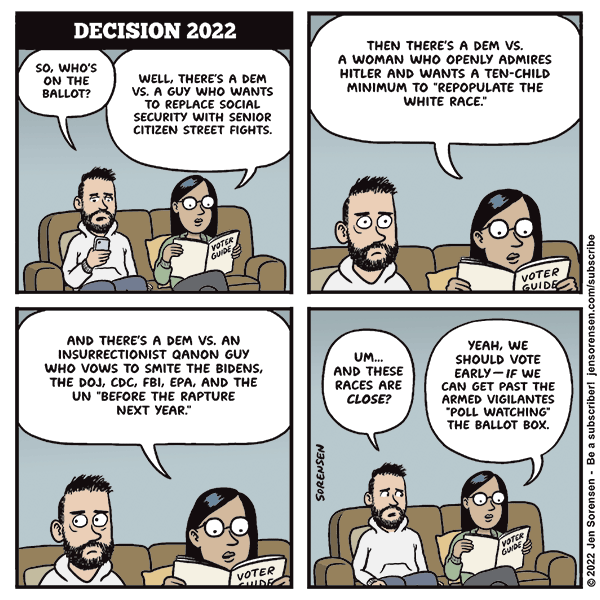
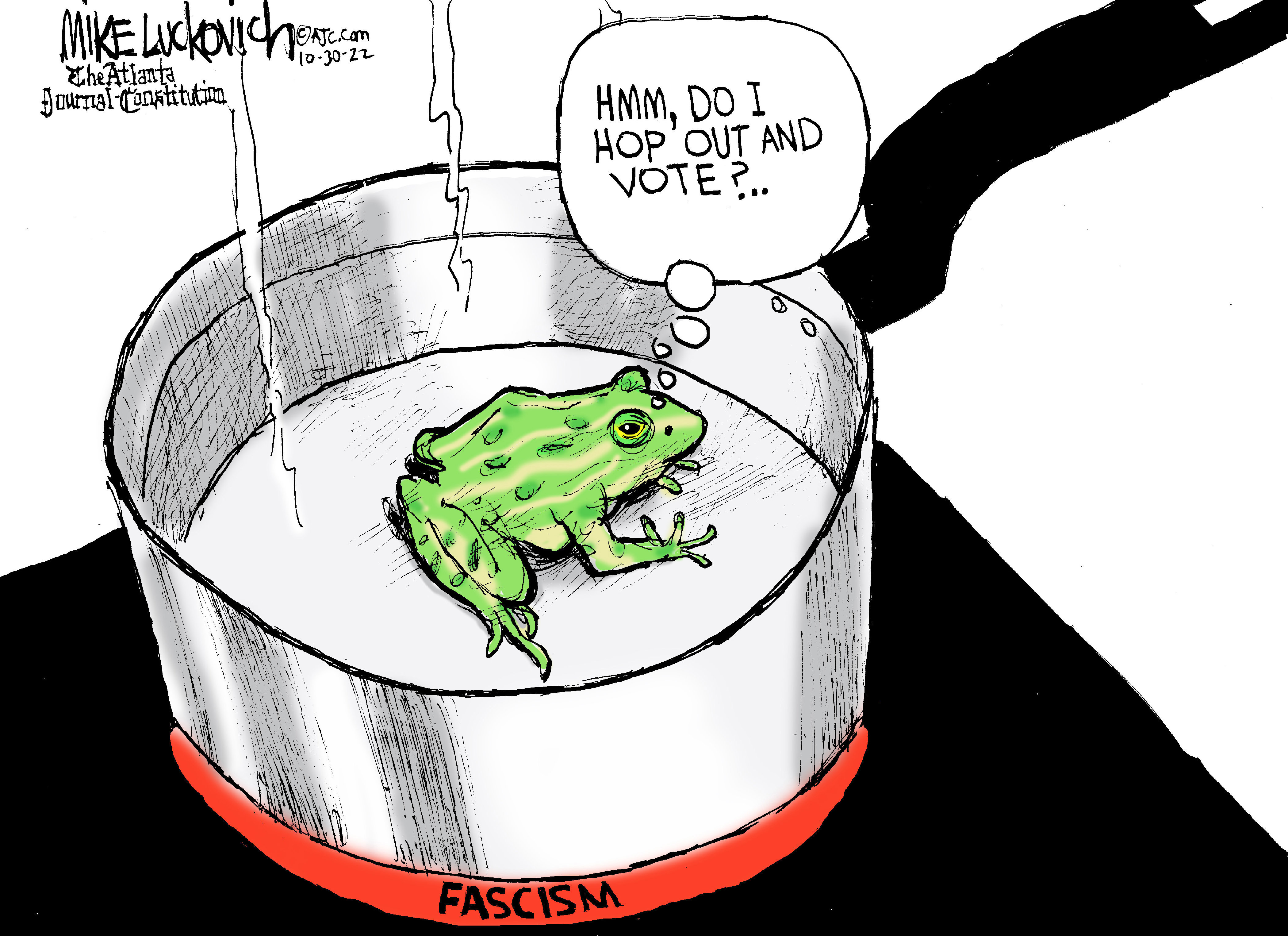








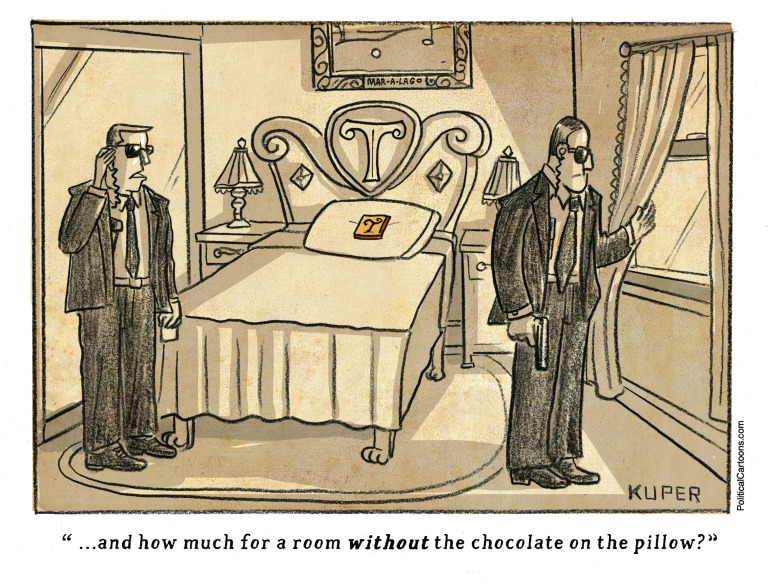


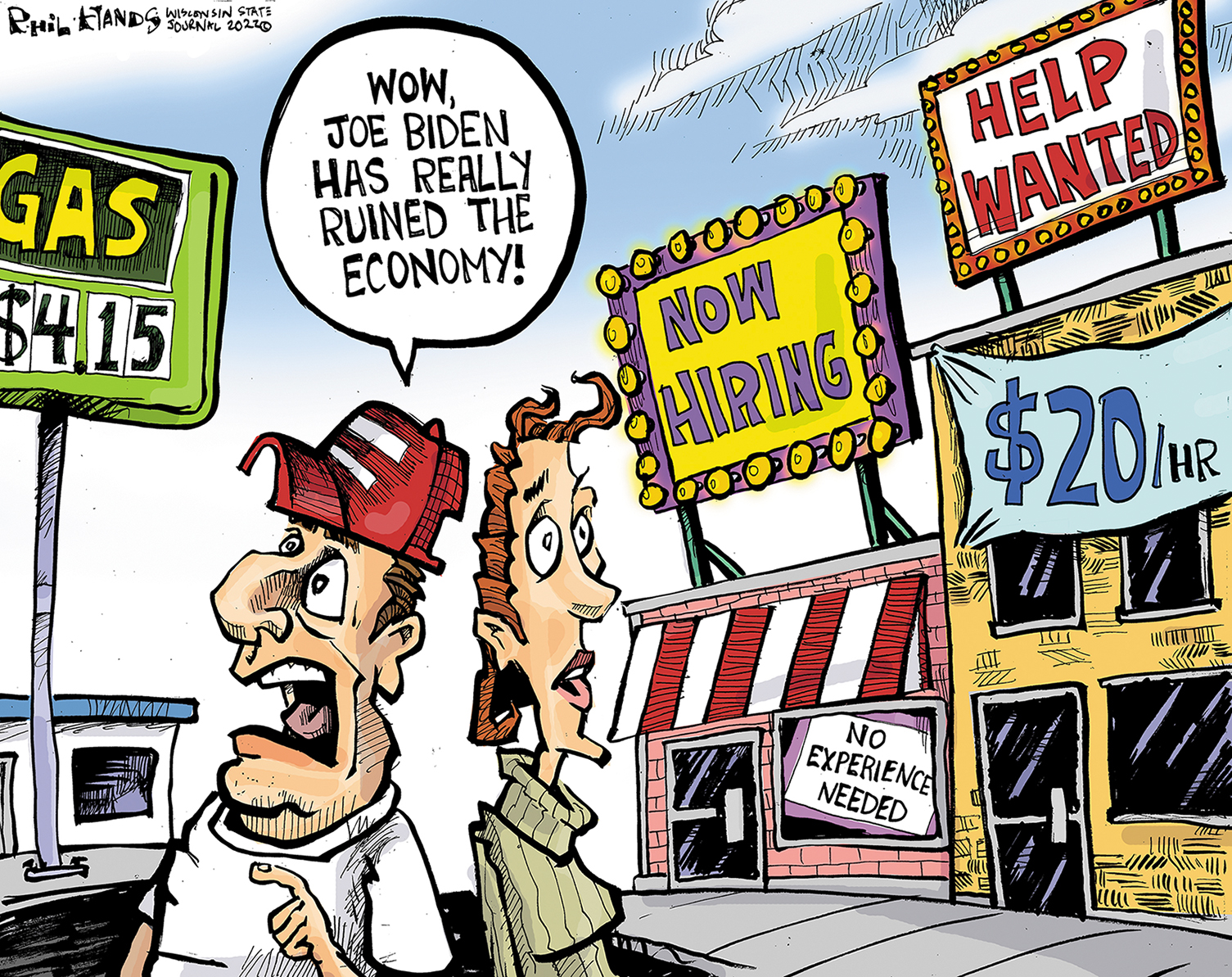




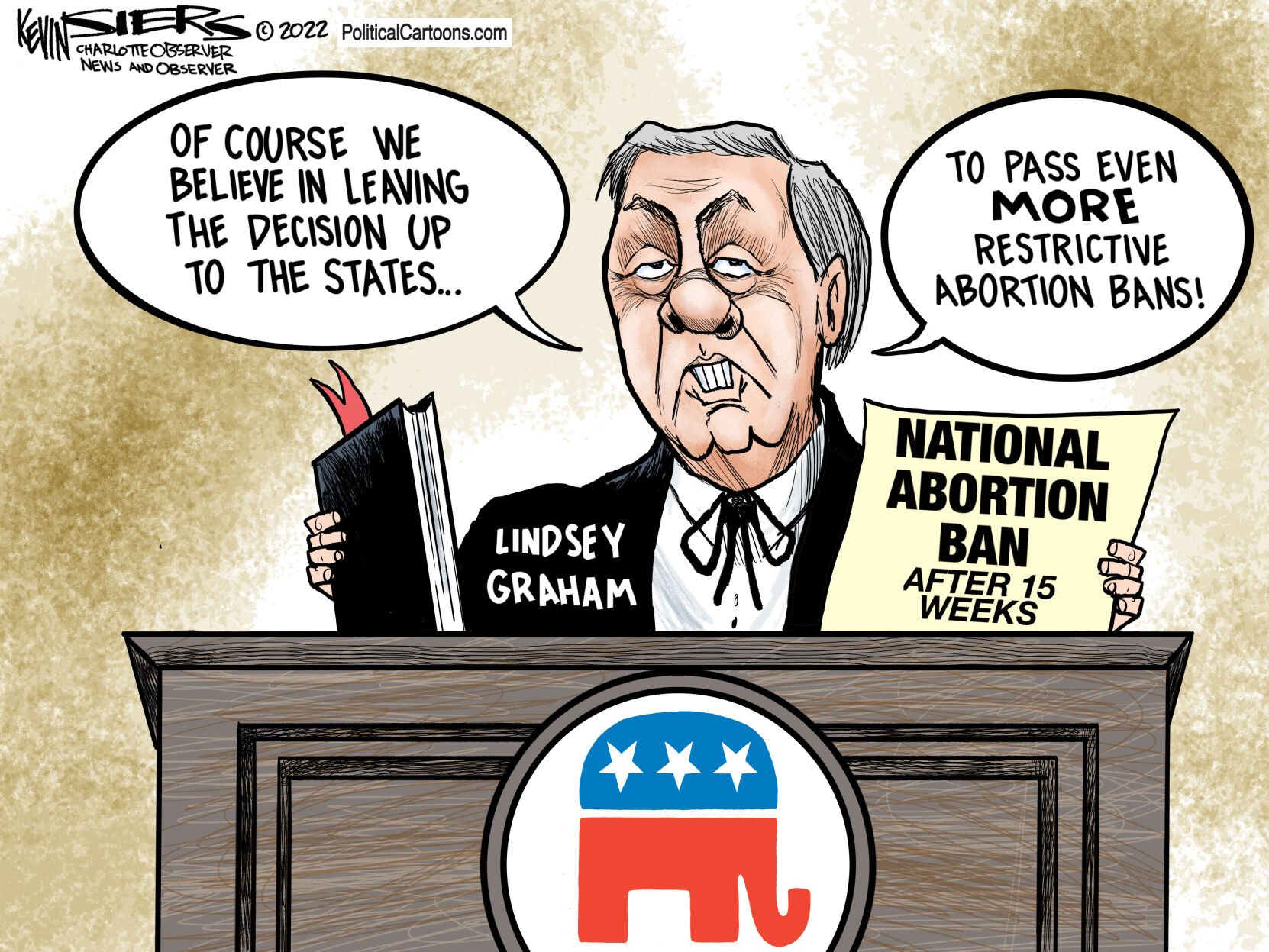
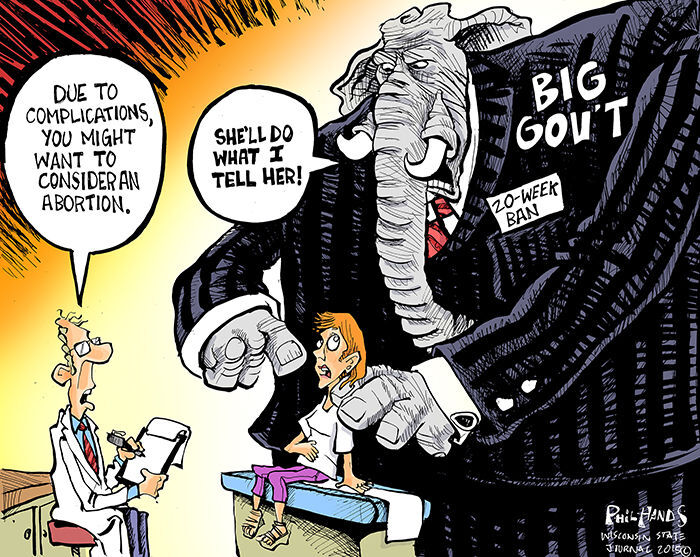





/https://tf-cmsv2-smithsonianmag-media.s3.amazonaws.com/filer/15/aa/15aae2ce-ec43-4f7e-8135-9897d66ebf97/figure3.jpg)

